Levels of Abstraction
16.07.2026
During the Images module in Methodenlabor, I used a toy car as the subject of a visual experiment. The task was to simplify an object step by step, moving from a photograph to a line drawing, then to a schematic image and finally to a pictogram. As more and more details disappeared, I noticed something interesting: the toy car could still be recognized as a “car,” but it gradually lost its identity as a “toy.” In the final stages, its simplified image was almost impossible to distinguish from that of a real car. This made me wonder: when two objects have very similar shapes but different identities and functions, how can simplification preserve the difference between them?
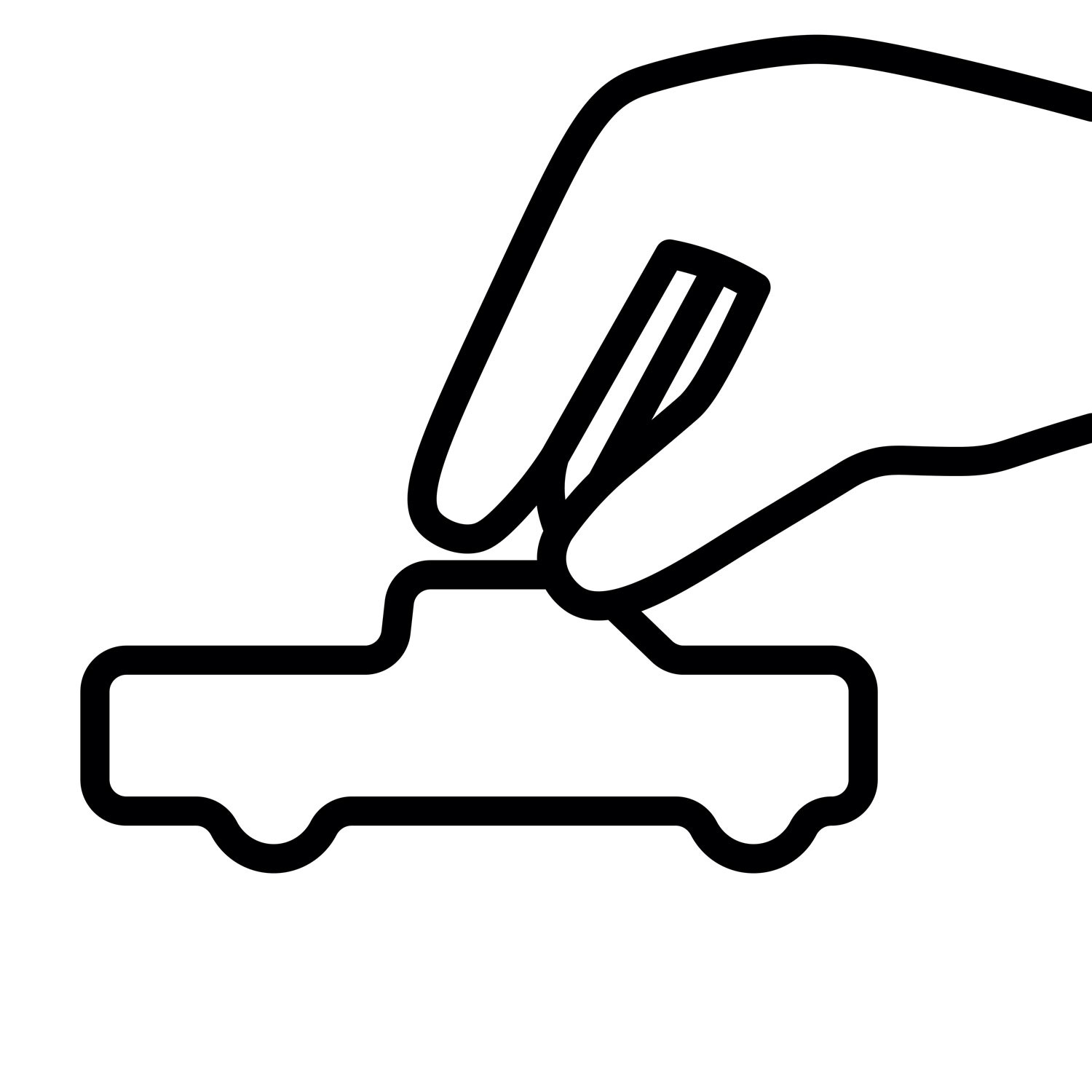
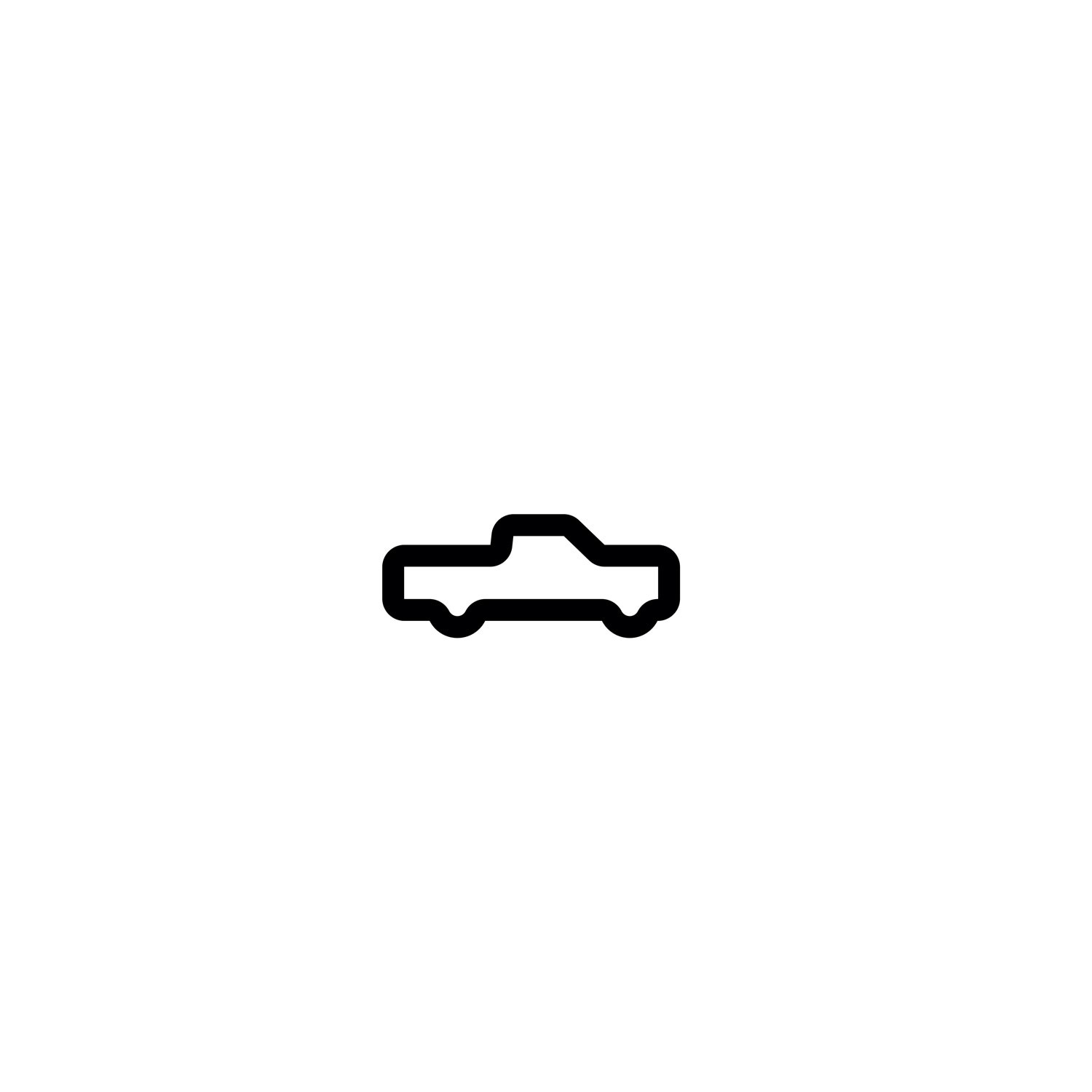

To make the car look more clearly like a toy, I tried several approaches. I used thicker outlines and rounded corners, added the brand logo, made the image very small, and placed a large hand next to the car. The hand was the most direct solution because it showed both the scale of the object and the way it was being used. At the same time, this experiment also showed the limits of the outline itself. The shape of an object is often not enough to tell us whether we are looking at the real thing, a model, or an artificial substitute.
I then chose three pairs of examples to explore this question in a broader way: a living plant and an artificial plant, a real heart and an anatomical teaching model, and the Brandenburg Gate and a miniature souvenir version of it. Imagine that a medical school needs to visually distinguish an area for organ specimens from an area for teaching models. Or imagine that a shop wants to make the difference between living plants and artificial plants clearer. Could pictograms help in these situations? Apart from size, possible clues might come from material, structure, function, colour, or the context in which an object is displayed.
Plant
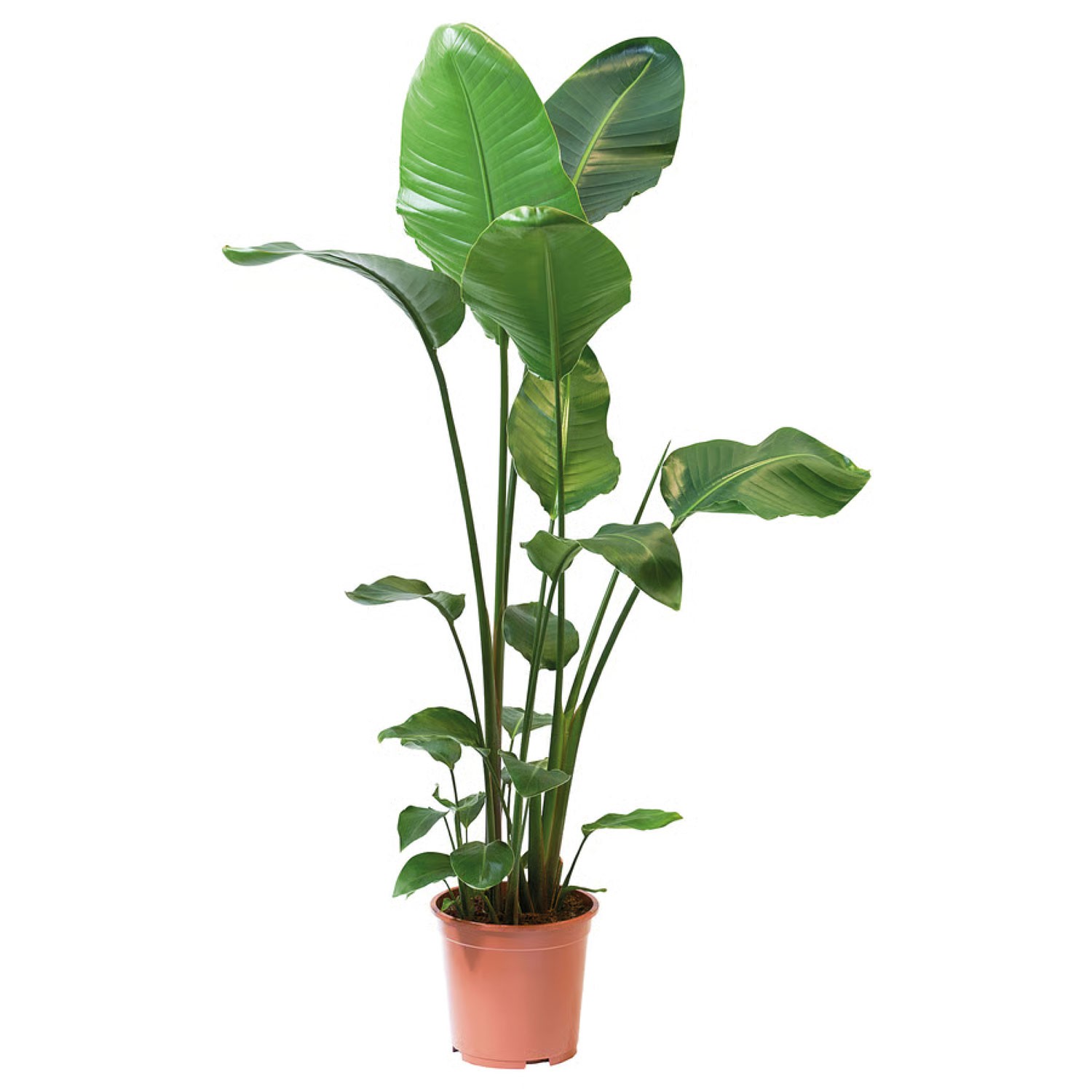
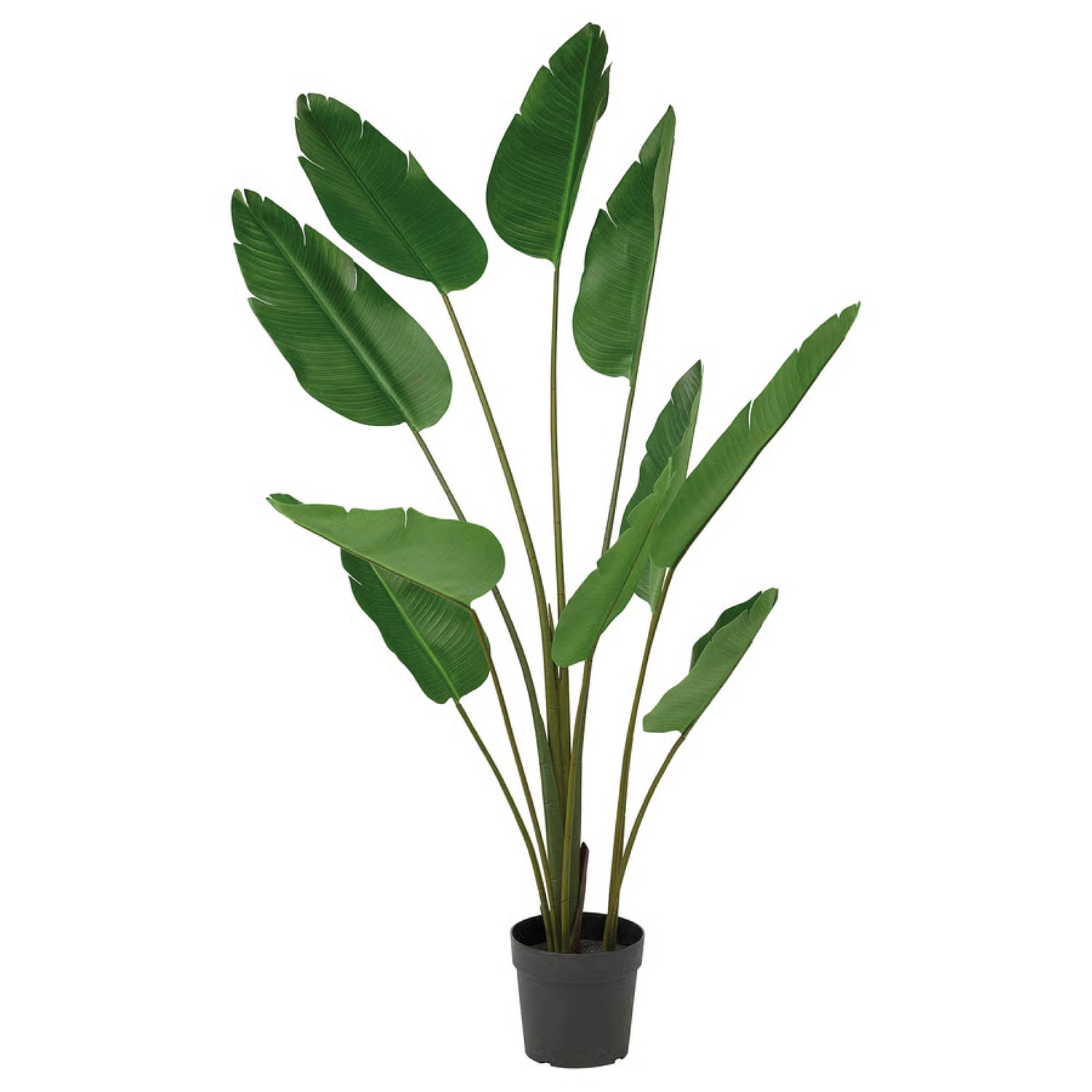
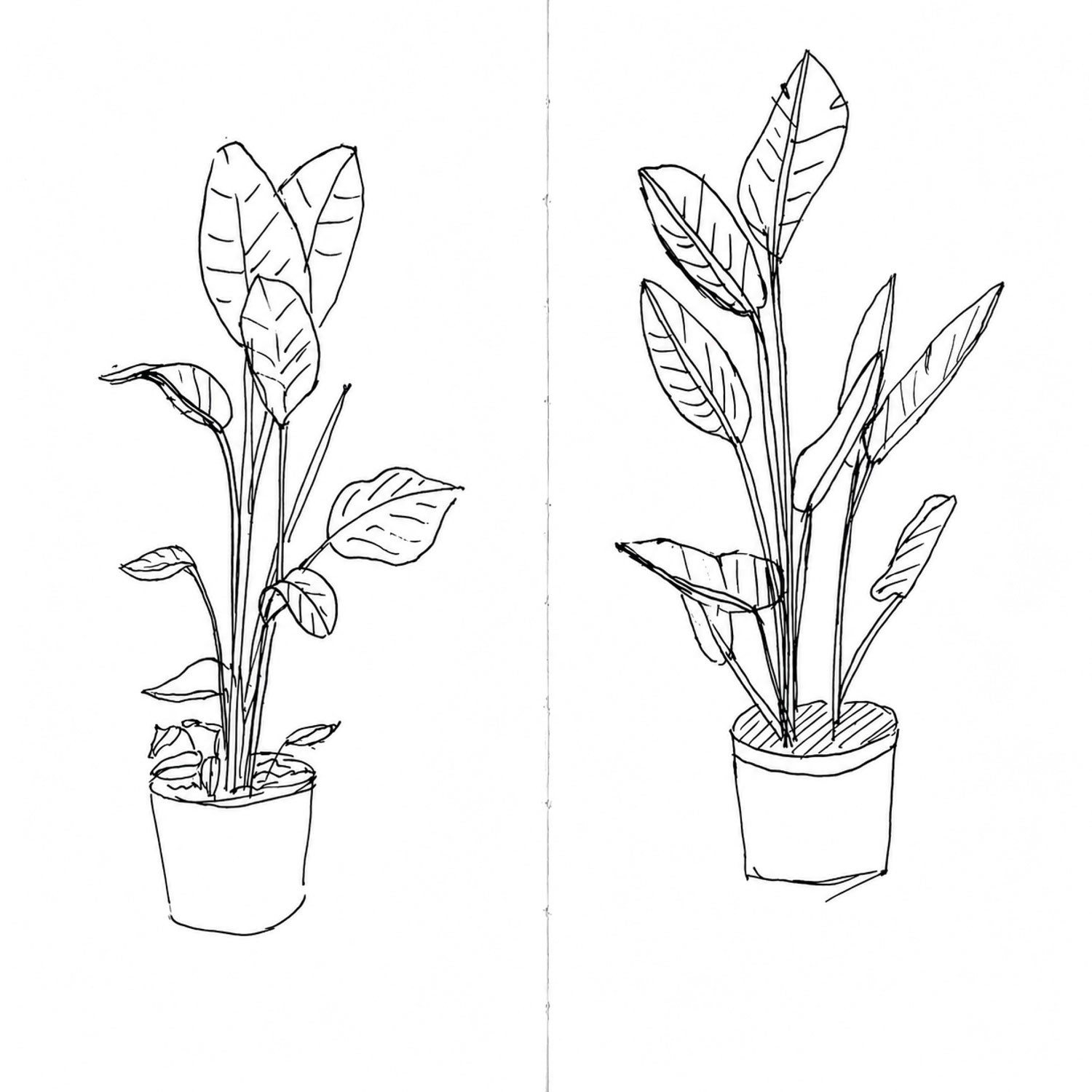
A living plant and an artificial plant first differ in material. Real leaves usually have uneven textures, small signs of damage, and visible traces of growth. The leaves of an artificial plant are often flatter, cleaner, and more repetitive. However, once an image is heavily simplified, material is difficult to show directly. It may therefore be more useful to look at structure. A living plant can contain young shoots, fully opened leaves, and older leaves at the same time. Its branches and leaves grow in a less regular relationship. An artificial plant, by contrast, is often assembled from similar leaf shapes and supported by metal wire inside the stems. A cross-section, visible connection points, or repeated forms could therefore become graphic clues that help separate the two.
Brandenburg Gate
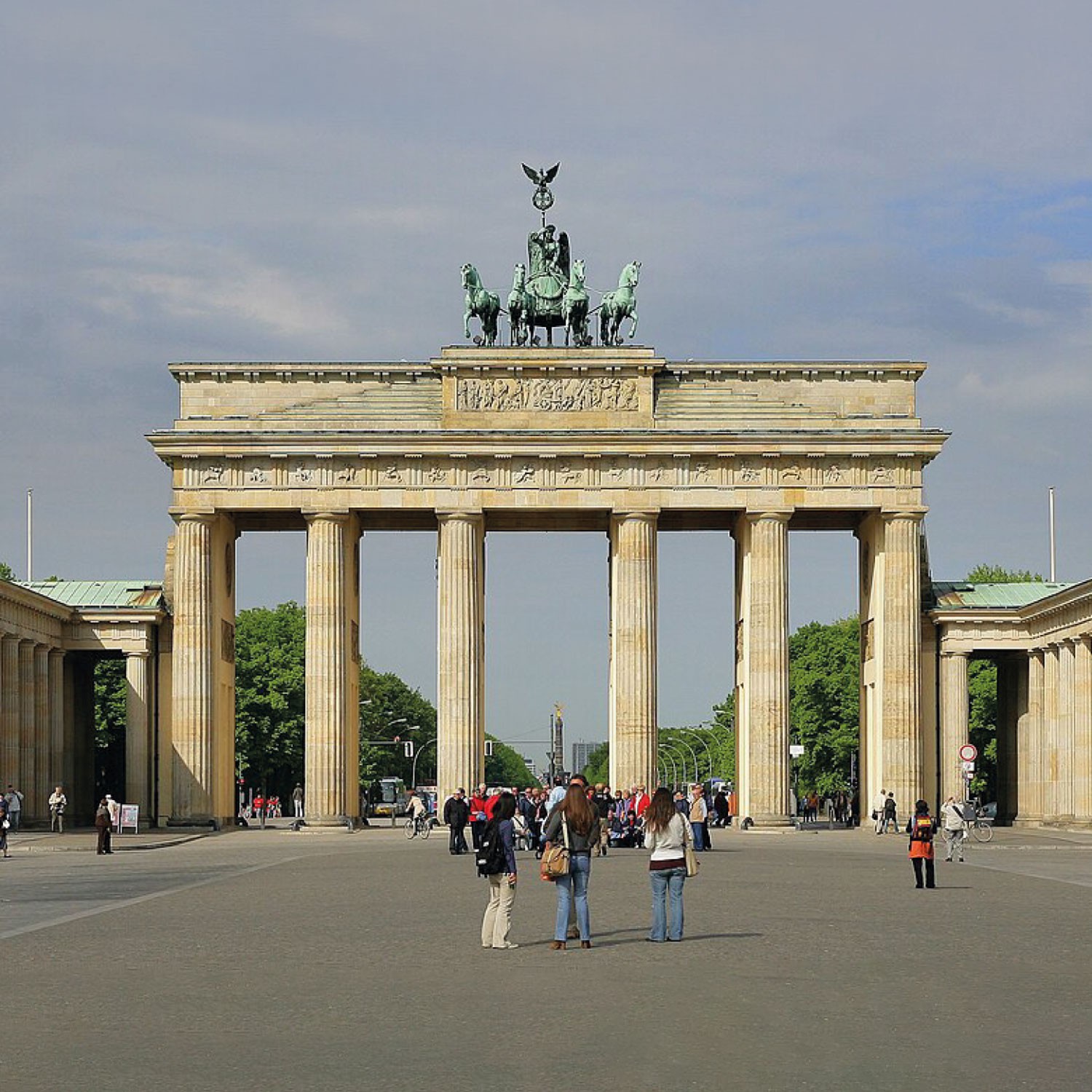
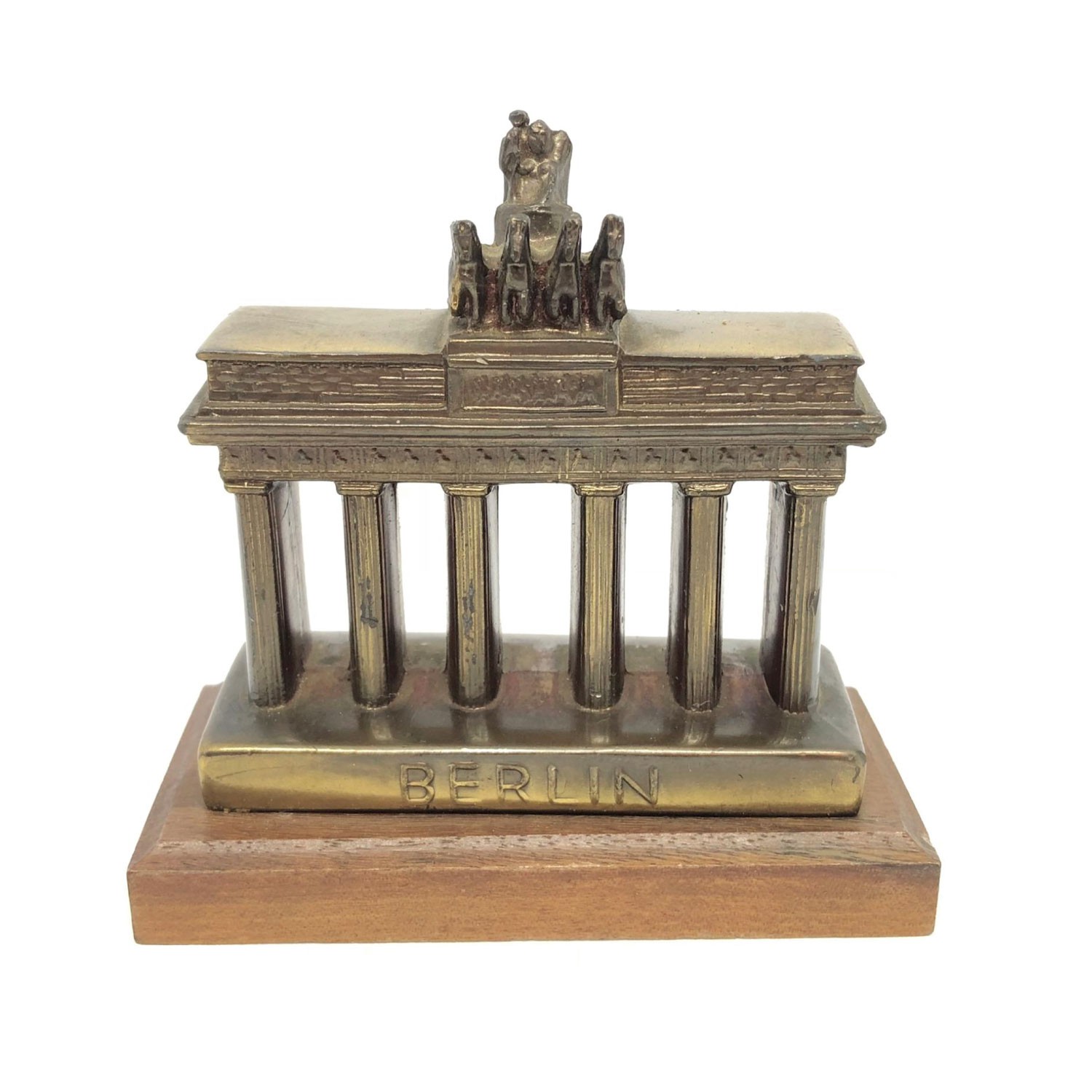
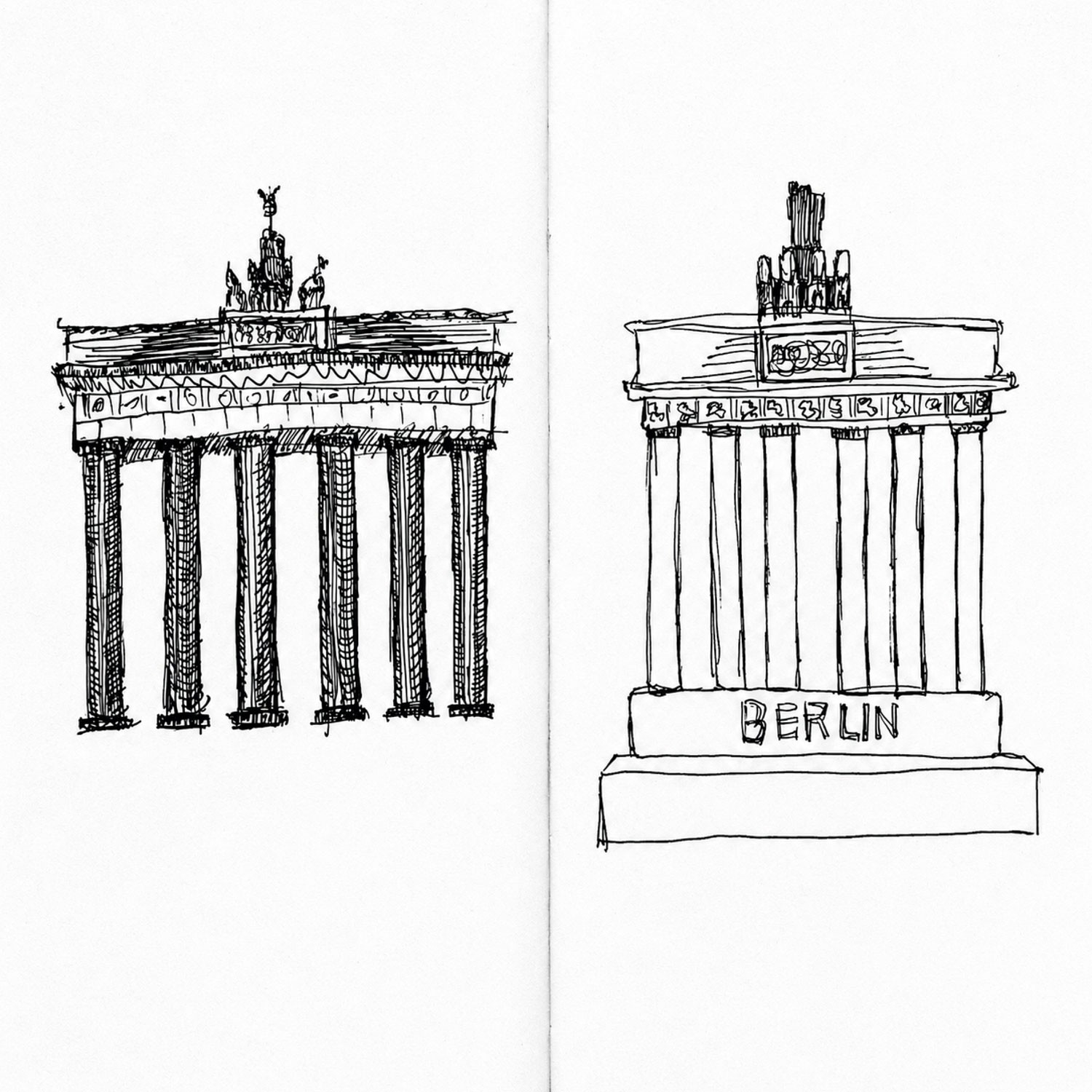
The relationship between the Brandenburg Gate and a miniature souvenir is similar to the earlier toy-car example. The real Brandenburg Gate is mainly made of sandstone and exists as a public structure in the city. A souvenir version is usually made from metal, plastic, wood, or another manufactured material and is often fixed to a base. In a simplified image, differences could be created through surface texture, metallic highlights, the presence of tourists, or the way the object is displayed. The important point is not only the outline of the gate, but the difference between its functions: one is an architectural space that people pass through, while the other is a small object made to be bought, collected, and displayed.
Heart
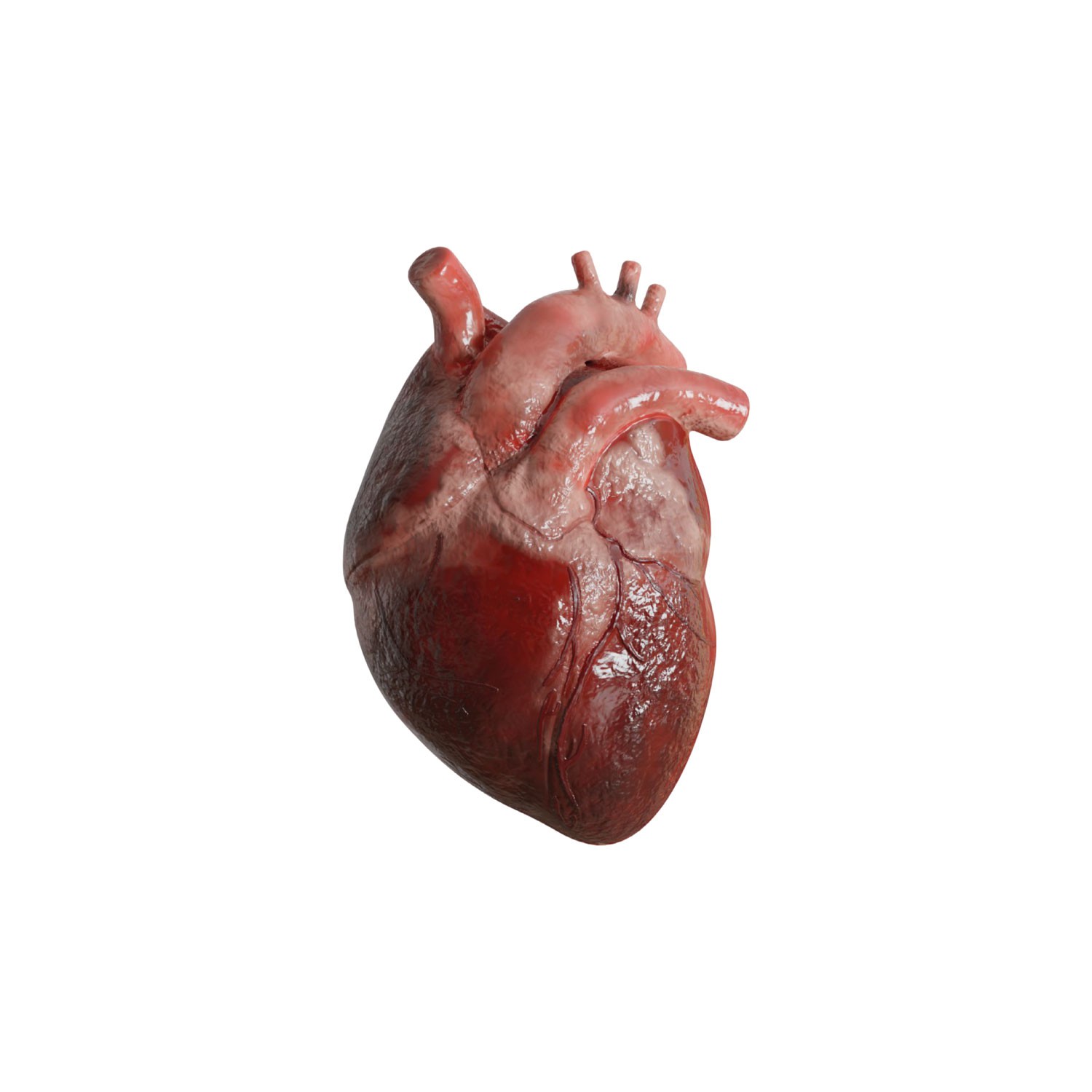
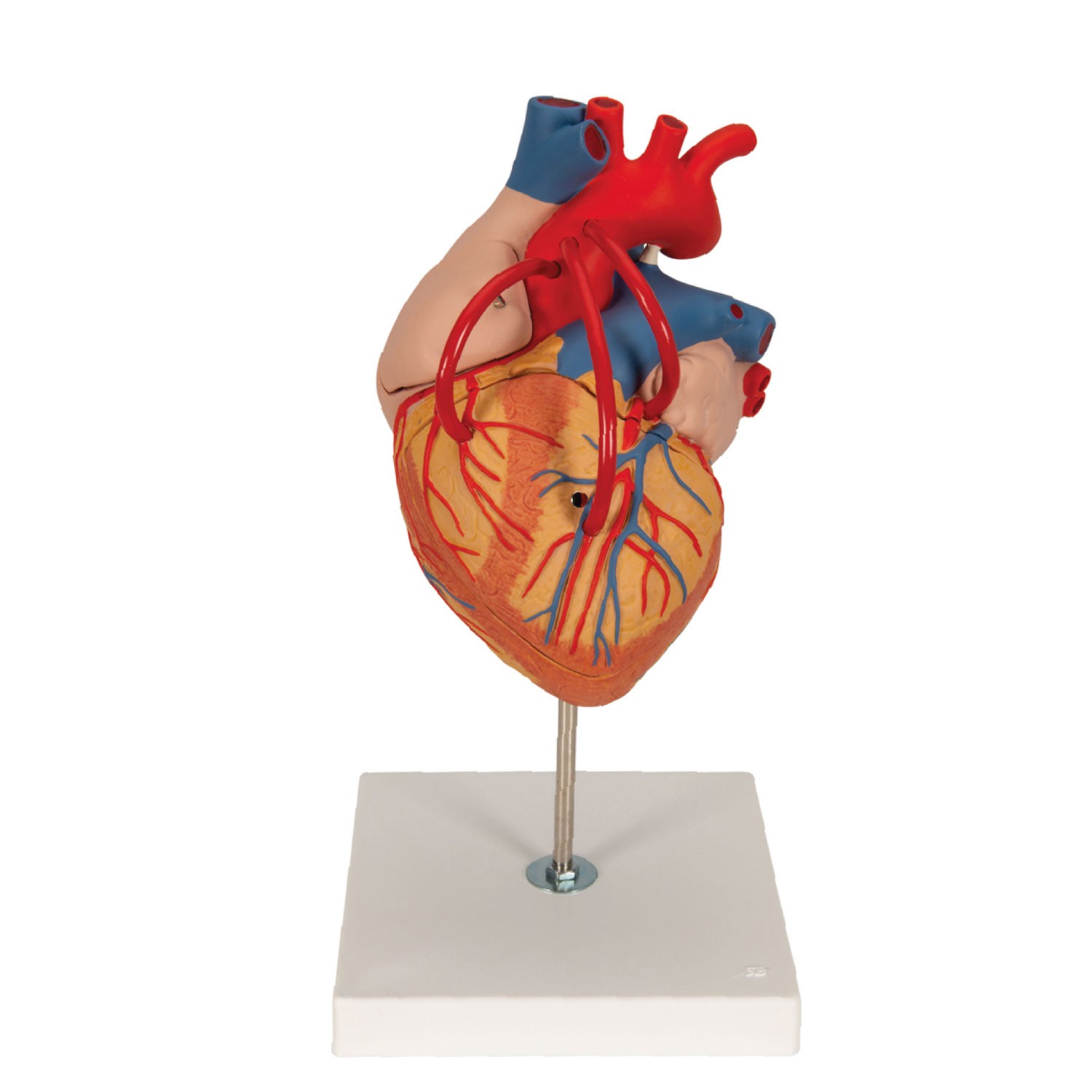
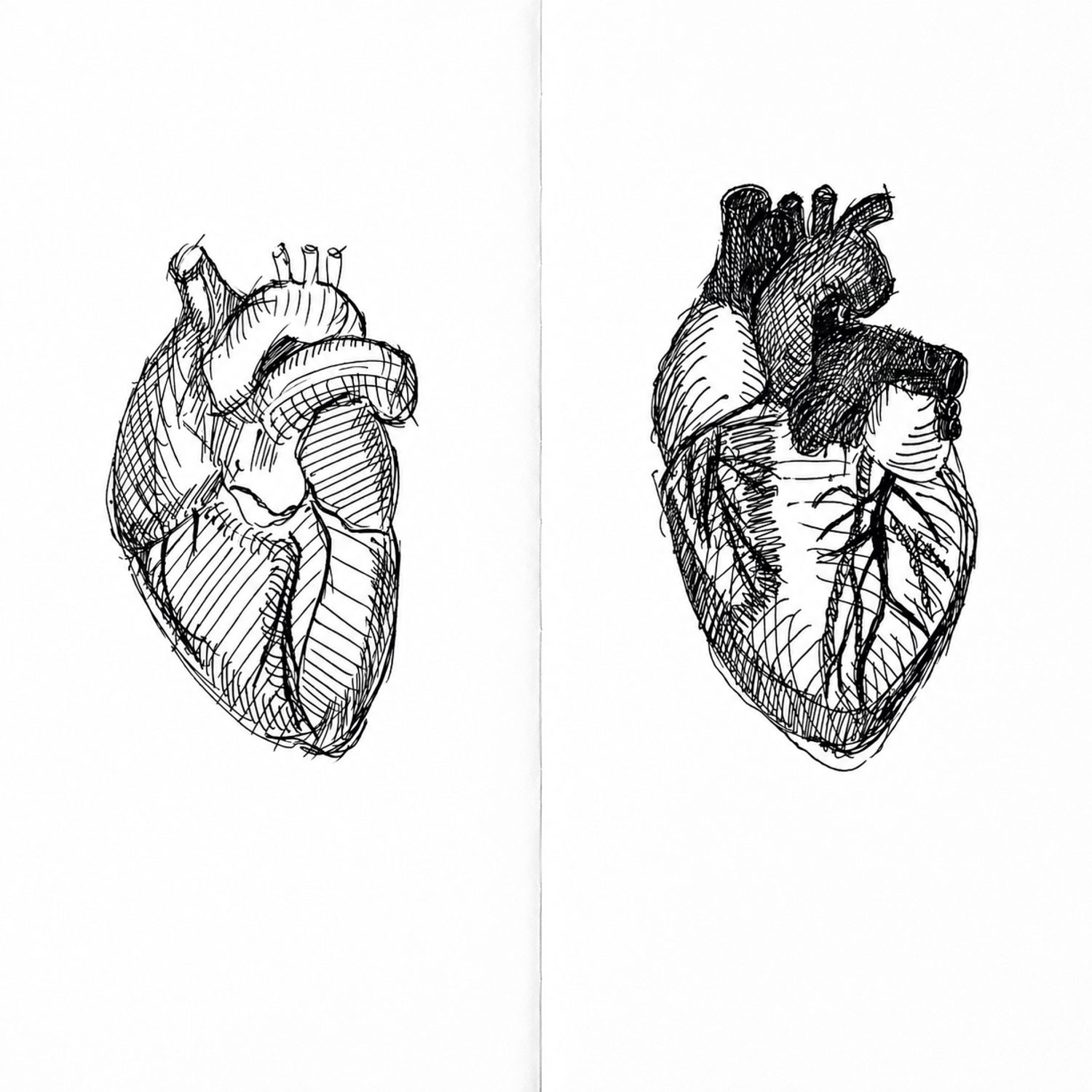
The outer shapes of a real heart and an anatomical teaching model can also be very similar. Teaching models often use colours such as red and blue to separate blood vessels, muscles, and other tissues. They may also include dividing lines, numbers, a support rod, or a base. None of these elements belongs to the heart itself, but they clearly show that the object was made for display and explanation. This means that even when the simplified outlines of the two hearts look almost the same, the support, base, and information coding can still change the identity communicated by the image.
These examples made me realize that a pictogram does not always preserve the specific identity of an object. It may only preserve its general category. An outline can tell us, “This is a plant, a heart, or a building,” but it cannot automatically tell us whether it is a living object, a teaching model, or an artificial substitute. To communicate that difference, additional visual clues are needed. Material, structure, function, and context are therefore not simply decorative details. In some cases, they are the most important information for distinguishing between objects that look almost the same.